Choosing the right fence for your property is a big decision. It impacts both the look and function of your outdoor space.
Two popular options are PVC picket fences and traditional wood fences. Each has its own set of benefits and drawbacks.
PVC fences, made from durable plastic, offer low maintenance and long-lasting performance. Wood fences, on the other hand, provide a classic, natural aesthetic that many homeowners love.
Understanding the differences between these materials can help you make an informed choice. This article will compare PVC and wood fences, covering aspects like durability, cost, and environmental impact.
By the end, you'll have a clearer idea of which fence suits your needs and preferences.
What Are White Picket Fences PVC and Traditional Wood Fences?
PVC, or polyvinyl chloride, is a tough plastic. It’s used extensively in fencing due to its durability and low upkeep. These fences often come in a variety of styles, including the iconic white picket design. PVC fences offer a modern approach to an age-old tradition.
Traditional wood fences are crafted from natural timber such as cedar, pine, or redwood. These woods are chosen for their resilience and aesthetic appeal. The charm of a wood fence lies in its warmth and ability to blend seamlessly with natural surroundings.
Here’s a quick overview of key attributes:
- PVC: Resistant to rot and weathering, low maintenance, and lightweight.
- Wood: Natural appearance, customizable, and rich aesthetic charm.
Both types add value to properties but in different ways. Your choice depends on your priorities—be it longevity or appearance.
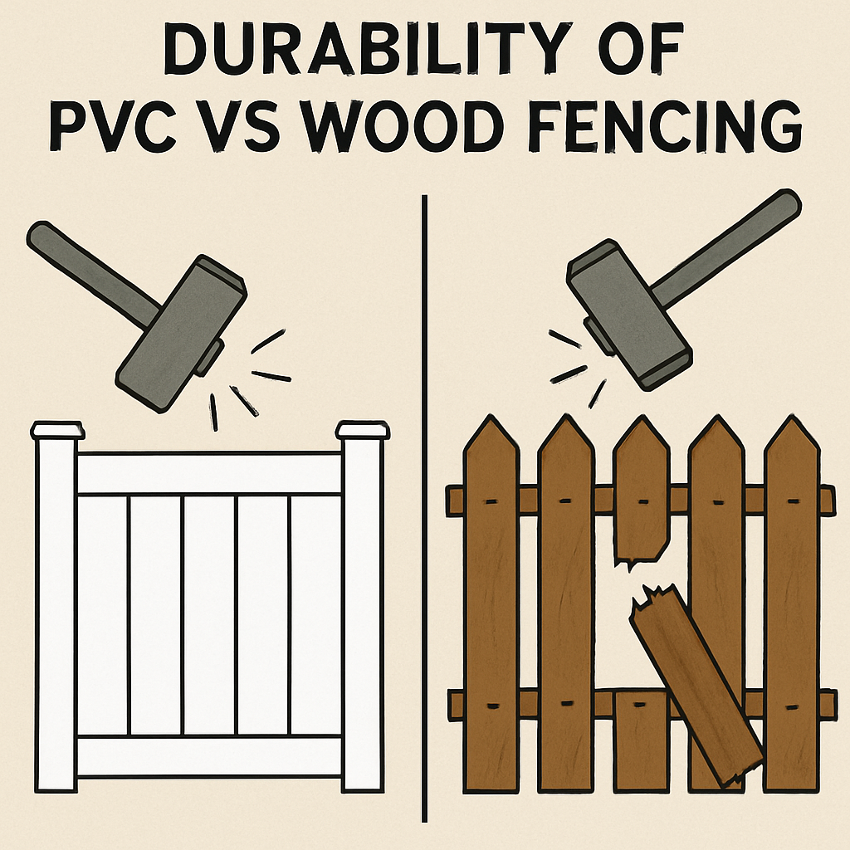
Durability and Longevity: PVC vs. Wood
When it comes to durability, PVC fences stand out due to their resistance to various elements. These fences are not prone to rot or insect damage. This is a stark contrast to wood fences, which can suffer from decay and termites.
PVC fences also resist harsh weather, maintaining their integrity over years. Unlike wood, PVC does not warp or crack with moisture changes. This makes it an ideal choice for areas with severe climate variations.
Wood fences offer a more natural look, but they require more upkeep. They are vulnerable to weather and pests, leading to potential wear over time. Despite this, well-maintained wood can last for decades.
Consider these durability aspects:
- PVC: Rot-resistant, insect-proof, and weather-resistant.
- Wood: Prone to decay, pest damage, and weather effects.
PVC boasts a longer lifespan with minimal care. However, wood fences, with proper maintenance, can also serve homeowners for many years. Both options have merits, but PVC shines in longevity.
Maintenance Requirements: Which Fence Is Easier to Care For?
One significant advantage of PVC picket fences is their low maintenance. These fences simply need occasional cleaning with soap and water, which keeps them looking fresh without much effort. There is no need for painting or staining.
In contrast, wood fences demand regular upkeep to maintain their appearance and durability. They often require periodic painting or staining to protect against rot and pests. This can be labor-intensive and costly over time, especially if you choose high-quality paints or stains.
Here’s a brief maintenance comparison:
- PVC: Easy cleaning, no painting required, minimal upkeep.
- Wood: Needs regular painting/staining, more laborious, prone to environmental damage.
Choosing a PVC fence minimizes your maintenance tasks, saving time and resources. Wood fences provide a rustic charm but demand consistent attention. Deciding which fence best fits your lifestyle helps ensure satisfaction with your choice.
Cost Comparison: Upfront and Long-Term Expenses
When considering costs, many find that PVC picket fences tend to be more expensive initially. The upfront cost can be a deterrent for budget-conscious homeowners. However, this initial investment might be offset by reduced maintenance expenses over time.
Wood fences, on the other hand, generally have a lower starting price. While they may seem cost-effective initially, frequent upkeep can add to expenses. Regular treatments, repairs, and possible replacements contribute to cumulative costs.
Here’s a cost breakdown:
- PVC: Higher initial cost, lower maintenance costs, long-term savings.
- Wood: Lower initial cost, higher ongoing expenses, potential for frequent repairs.
Ultimately, evaluating both initial and long-term costs helps in making an informed choice. Budget considerations will play a major role in deciding which fencing option suits your financial situation best.
Aesthetic Appeal and Design Options
The aesthetic aspect of fencing is crucial for many homeowners. PVC picket fences offer a wide array of styles and colors. This allows for versatility in matching different home exteriors and landscapes. White vinyl fencing is particularly popular due to its clean and timeless appearance.
Wood fences, however, provide a more classic and rustic charm. They can be easily stained or painted to complement existing outdoor décor. This flexibility makes wood a favorite for those seeking a personalized look.
Both types offer numerous design possibilities:
- PVC Fences: Variety of styles and colors, low maintenance.
- Wood Fences: Customizable with stains and paints, natural beauty.
Choosing between them depends on your style preference and how much effort you wish to invest in upkeep. Whether modern or traditional, each option enhances curb appeal in its way.
Environmental Impact: Eco-Friendly Fencing Choices
When considering environmental impact, materials play a critical role. PVC fences, though made from plastic, are often recyclable. This recycling capability can make PVC a more sustainable choice when compared to treated wood.
Wood fences can also be environmentally friendly if sourced responsibly. Using wood from managed forests or reclaimed materials helps reduce the ecological footprint. Wood's biodegradability further contributes to its eco-friendly potential.
Key eco-friendly points include:
- PVC Fences: Recyclable, non-toxic, less frequent replacement.
- Wood Fences: Biodegradable, renewable, sustainable sourcing options.
Both materials have merits depending on their source and post-use process. Choosing an eco-friendly option requires careful consideration of these factors. Opt for materials that align with your environmental values and preferences.
Safety, Installation, and Practical Considerations
Safety and ease of installation are vital when selecting a fence. PVC fences offer a smooth surface and lack sharp splinters, which is safer for families. Additionally, they are fire-resistant and do not require harmful chemicals for maintenance.
PVC also boasts ease of installation. Its lightweight nature means it often involves less labor compared to wood fences. However, wood offers versatility on uneven terrains, making customization more feasible.
Consider these practical points:
- PVC Fences: Smooth, safe, lightweight, easy to install.
- Wood Fences: Adaptable to landscapes, requires basic carpentry for repairs.
Choosing the best option involves weighing safety with installation preferences.
Which Fence Is Right for You?
Deciding between PVC and wood fences depends on personal preferences and practical needs. If durability and minimal maintenance are your priorities, PVC picket fences might be the better option. They offer long-term cost savings and are easy to manage.
On the other hand, if you value a traditional aesthetic and the ability to customize, wood fences could be a compelling choice. Wood's natural charm and flexibility in design can enhance the overall appeal of your property.